


Tile Journey - Classic Puzzle
4.51.81K Reviews
App Specs
- Version
- 0.2.78
- Updated On
- License
- Free
- Downloads
- 1,000,000+
- Developer
- Metajoy
- Categories
- Board
- Platform
- Android
Screenshots
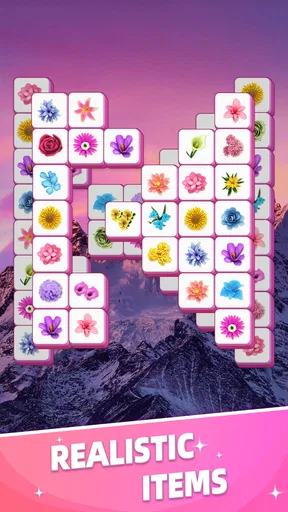

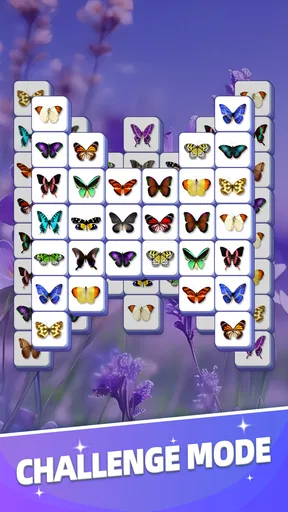
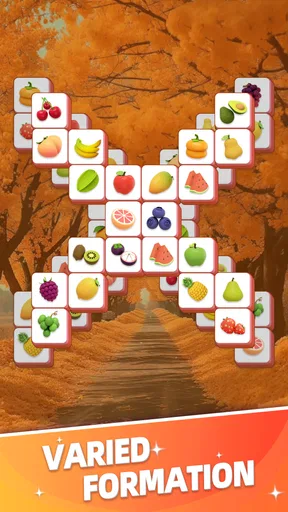
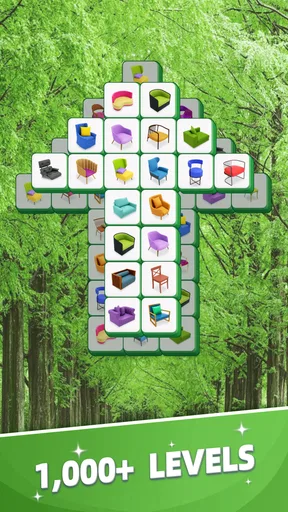
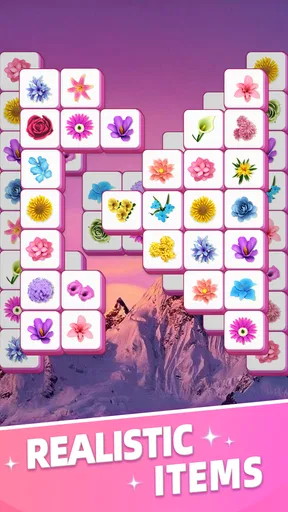


 Analysis by AppCompare
I spent time with Tile Journey - Classic Puzzle to understand what makes its central idea work beyond a quick glance at the store page. This is a free board game from Metajoy, built around arranging and matching tiles until the board is cleared. The important detail is that it is designed to work offline, so the main appeal is not competition, social play, or a complicated story. It is a quiet matching puzzle that I can open when I want a short mental break without depending on a connection.
That offline focus changes the way I use it. I do not approach it like a game that demands a long session or constant attention. Instead, I see it as something suitable for a commute, a waiting room, or a few minutes before bed. The rules are easy to understand, but the board still asks me to look ahead rather than tap randomly. For players who enjoy familiar tile puzzles and want a convenient version for disconnected moments, it has a clear purpose.
Why the offline tile-matching design matters
The strongest capability here is the ability to play the matching puzzle without an internet connection. That sounds simple, but it affects the practical value of the game more than a decorative theme or an extra menu would. I can start a round in places where mobile data is unreliable, keep playing when I switch to airplane mode, and avoid treating a short puzzle session as an online activity.
In my experience, offline play is especially useful because matching games are often chosen spontaneously. I may have only a few minutes and no desire to sign in, wait for a connection, or coordinate with another player. Tile Journey fits that moment. It gives me a self-contained board to solve, and the absence of a network requirement makes it feel more like carrying a small puzzle book than joining a live service.
The game belongs to the board category, but it is not trying to imitate a traditional board game with turns, pieces, or a physical opponent. Its board is a visual arrangement of tiles, and the challenge comes from recognizing possible matches while protecting future moves. That distinction matters when deciding whether it is right for you. If you want a strategic board game with deep rules or direct competition, this will feel lightweight. If you want a visual sorting challenge that can be paused mentally at any time, the format is much more suitable.
I also like that the basic objective is immediately readable. You do not need to learn a long rulebook before making a useful move. The game’s appeal comes from the gradual tension between available matches and the risk of making the board harder to finish. That makes it approachable for casual players while leaving room for more deliberate play.
What the matching loop asks you to notice
The most useful habit is to stop treating every visible pair as equally valuable. A match may be available now, but taking it immediately can expose a less useful arrangement underneath or remove a tile that was helping keep the board flexible. I found myself scanning the whole layout before tapping, especially when several similar symbols were visible.
Worth Reading Before You Choose

EA SPORTS FC Mobile 26 Is a Bigger Football Game, but It Takes Time

Flipboard Shows What News Apps Must Do Beyond the Feed

Switching to Android Auto Means Rethinking Your Driving Routine

Google Calendar Makes a Crowded Week Easier to Manage

Ludo King Makes the Most of the Minutes Between Plans

Baby Panda World Brings Quick Play to Modern Phones, but Its Game Library Feels Busy
That is the first non-obvious strength of the design: it rewards restraint. The game looks relaxed, yet the better decisions are often made by waiting a moment and comparing the consequences of different matches. I do not need advanced puzzle theory, but I do need to ask which move opens space, which move blocks a future option, and which pair is easiest to recover later.
A second useful insight is to use the board’s open areas as a guide rather than focusing only on the tiles that look most attractive. When a match can clear a crowded section, it may be more valuable than a match in an already open area. This gives the puzzle a small layer of spatial planning. It is still accessible, but it is not purely a reflex exercise.
I also learned that short sessions are better when I play with a consistent rhythm. I scan first, choose a match, then pause briefly to reassess the new layout. Tapping rapidly can make the board feel confusing because the visual information changes faster than I am processing it. That slower approach is one reason the game works well as a calming break rather than as an intense arcade challenge.
How it feels in an everyday situation
A realistic use case for me is a delayed appointment. I may have ten minutes, do not want to start a film, and prefer something that can be abandoned immediately when my name is called. This is where the offline design earns its place. I can open the game, work through a portion of a board, and put the phone away without needing to preserve a social match or maintain a live connection.
The same applies during travel. On a flight or in an area with poor reception, a game that remains usable has more practical value than one whose main content depends on being connected. I would not choose it as my only travel entertainment because the matching format can become repetitive over a long stretch, but it is an excellent small activity to keep alongside reading, music, or a larger game.
It can also suit people who want a gentle way to occupy their hands while keeping their attention lightly engaged. I would not call it a full concentration-training tool, and I would avoid making medical or cognitive claims about it. What I can say is that the board encourages visual comparison and planning, which makes it more satisfying than endlessly tapping through a passive distraction.
For younger players, the Everyone age rating makes the presentation broadly approachable. Adults can also enjoy it, although experienced puzzle players may want more complexity than the straightforward matching structure provides. The game is at its best when the goal is a clear, understandable challenge rather than a demanding test of mastery.
Practical play advice that improves the experience
My first recommendation is to scan from the outside toward the center. Edge tiles are usually easier to understand because they have fewer neighboring elements competing for attention. Once I know which parts of the board are most open, I can decide whether a match will create useful space or simply remove two tiles without improving the overall position.
My second recommendation is not to spend every helpful option as soon as it appears. If two matches are available, I compare which one leaves more recognizable choices afterward. This is especially useful when the board begins to look crowded. Keeping one flexible area intact can be more valuable than clearing a visually appealing pair.
A third tip is to use the game as a short-session puzzle, even if I have plenty of time. Playing several rounds without a break can make the patterns blur together, leading to careless selections. A brief pause between boards helps me return with a cleaner view. This is a small workflow change, but it makes the game feel less repetitive and reduces the temptation to play mechanically.
I would also suggest lowering expectations about variety. The core pleasure comes from solving the arrangement in front of me, not from discovering a large narrative world or collecting a deep set of abilities. That is not a flaw for the intended audience, but it is important when comparing it with larger puzzle games that introduce new mechanics, characters, or competitive events.
The main tradeoffs of a free offline puzzle
The free price makes the game easy to try, but free-to-play design always deserves a little attention. In-app purchases range from $0.99 to $69.99 per item. I would treat those purchases as optional conveniences rather than part of the basic reason to install the game. Anyone who dislikes the possibility of spending inside a casual puzzle should review the device’s purchase controls before handing the phone to a child.
The offline capability is valuable, but it should not be confused with unlimited variety. Playing without a connection makes the game dependable in the right situation; it does not automatically make each session feel fresh. Players who need changing objectives, competitive rankings, or a strong sense of progression may find the format too narrow after the initial appeal fades.
Another tradeoff is the balance between accessibility and depth. The simple matching premise is a major reason I can recommend it to casual players, but it also limits how far the game can stretch for experts. Someone who normally plays demanding logic puzzles may finish a session wishing the decisions had more layers. In that case, a dedicated strategy or advanced puzzle title would be a better primary choice, while Tile Journey could remain a convenient backup for offline moments.
The game is also not the right option for someone looking for multiplayer interaction. Its value comes from a solitary board and a personal solving rhythm. If your ideal board game involves friends, online opponents, or negotiation, this will not replace that experience. It is better understood as a portable solo puzzle than as a digital tabletop gathering.
Because the game is free, I also recommend checking how you feel about its overall pacing before investing in any optional purchase. I would play enough to decide whether the core loop remains enjoyable after the novelty settles. If I am still choosing careful matches because I genuinely like the process, optional spending is easier to evaluate. If I am already bored, buying extras would not solve the underlying mismatch.
How it compares with familiar alternatives
Compared with classic match-three games, this title feels more deliberate and less focused on speed or cascading effects. A match-three game usually rewards quick pattern recognition and chain reactions, while this tile format asks me to manage the board’s remaining possibilities. That makes Tile Journey calmer, but also less exciting for players who want explosive feedback and constant movement.
Compared with traditional mahjong-style tile puzzles, it shares the satisfaction of finding visual pairs, yet the experience is easier to approach because the objective is presented as a straightforward matching task. Players who enjoy the strict planning of more complex tile layouts may find it less demanding. On the other hand, beginners can enter without needing much prior familiarity.
Compared with word puzzles, it requires less language knowledge. That makes it a better choice when I want a game that can be understood through visual recognition alone. Word games remain stronger for people who want vocabulary practice or clue solving, but they are less convenient when I am tired or when I want a puzzle that does not depend on reading.
Compared with online puzzle platforms, the offline advantage is the clearest difference. Online alternatives may offer leaderboards, events, or frequent content changes, but they also make the experience more dependent on connectivity and sometimes on a larger service ecosystem. Tile Journey is more limited, yet that limitation is part of its usefulness: it stays focused on the board in front of me.
Who gets the most from this game
I think the best audience is someone who wants a free, low-pressure board puzzle that can be played offline. It suits casual players, travelers, people with unreliable reception, and anyone who likes visual matching but does not want a complicated tutorial. The Everyone rating also makes it broadly approachable for shared household devices, provided adults manage optional purchases sensibly.
It is particularly good for players who enjoy making small decisions and seeing a layout gradually become clearer. The satisfaction is not in mastering a giant system; it is in noticing that a careful choice has opened the next useful move. That makes it a pleasant companion for short breaks and a reasonable alternative to mindless scrolling.
I would skip it if I need a game with a strong story, deep strategic progression, multiplayer competition, or a constantly changing set of mechanics. I would also skip it if I know that repetitive matching loops quickly lose my interest. In those cases, a richer strategy game, a competitive board app, or a more varied puzzle collection would offer better long-term value.
Metajoy has kept the current version at 0.2.78, and the game supports devices running Android 7.0 or later. Those details matter mainly when deciding whether an older phone can run it. The broader picture is that the game has found a substantial casual audience, with a 4.5 average from around 14 thousand ratings and over 1 million installs. That level of adoption does not guarantee that every player will enjoy the loop, but it does fit my impression that the concept is easy to pick up.
My recommendation after playing
Tile Journey - Classic Puzzle works because it understands one specific need: a simple matching board that remains useful when I am offline. I appreciate that focus. It does not try to be a story-driven adventure or a competitive tabletop simulator, and judging it by those standards would miss the point.
My honest recommendation is to try it if you want a quiet visual puzzle for travel, waiting periods, or short breaks. Play slowly, look for the move that improves the board rather than the first pair you notice, and judge the game by whether that careful rhythm stays satisfying. The free entry makes that test easy, while the optional purchase range means I would keep spending controlled.
For me, the offline capability is more than a technical convenience. It defines when the game is most useful and explains why I would keep it installed even if I also played more ambitious puzzle titles. It is a focused, approachable board game with modest depth: best as a dependable solo companion, less convincing as a long-term replacement for a varied puzzle collection.
Pros
- Simple matching rules make it easy to learn within minutes.
- Short levels work well for quick gaming sessions.
- Relaxing gameplay offers a low-pressure way to pass time.
- Progressive challenges help maintain interest beyond the opening levels.
- Offline play is useful when traveling or without a stable connection.
Cons
- Later puzzles can feel repetitive once the core pattern becomes familiar.
- Limited strategic variety may not satisfy players seeking deep puzzle mechanics.
- Mistakes or blocked boards can sometimes depend heavily on available tiles.
- Frequent ads may interrupt the flow
- especially between completed levels.
- Some helpful boosts or extra moves may be restricted by in-app purchases.
FAQs for Tile Journey - Classic Puzzle
What is Tile Journey - Classic Puzzle, and how is it played?
Tile Journey - Classic Puzzle is a relaxing matching game based on the familiar mahjong-style mechanic. Your goal is to find three identical tiles and place them into the collection slots at the bottom of the screen. When three matching tiles are grouped together, they disappear. You must clear the board before the available slots fill up, making careful tile selection essential.
Is Tile Journey - Classic Puzzle suitable for beginners?
Yes, the game is easy to understand and generally suitable for beginners. The early levels introduce the matching system gradually, so you can learn how covered tiles, available moves, and collection slots work without pressure. However, later stages become more challenging and require planning, because choosing the wrong tile can block useful combinations or leave you with no safe moves.
Does Tile Journey - Classic Puzzle require an internet connection?
Many puzzle levels can usually be played without a constant internet connection, which makes Tile Journey - Classic Puzzle convenient for short sessions while traveling or when mobile data is unavailable. Nevertheless, certain features may depend on connectivity, including advertisements, cloud synchronization, events, updates, or in-app purchases. Availability can vary by device version and game update.
Are there advertisements or in-app purchases in Tile Journey - Classic Puzzle?
Tile Journey - Classic Puzzle may include advertising and optional purchases, as is common with free-to-download mobile puzzle games. Ads can appear between levels or when you choose to receive rewards such as extra chances, hints, or other assistance. Optional purchases may reduce interruptions or provide helpful resources, but spending money is not normally required to understand or enjoy the core gameplay.
What should I know about difficulty, hints, and progress before downloading?
The game starts with straightforward boards but gradually introduces more complicated layouts that test memory, timing, and decision-making. Hints or shuffle-style helpers may be available when a board becomes difficult, although these aids can be limited or connected to rewards and purchases. Before downloading, check whether your device has enough storage and review the current store permissions, ratings, and privacy information.


